Deepgram STT: speaker diarization v2, numerals, and batch vs live
Deepgram's diarization v2 was preferred 3.3x over the previous production diarizer — but diarize_model is batch-only, not streaming. Plus Korean spacing and multilingual numerals.
Deepgram's latest speech-to-text updates bring more adaptive session controls, improved Korean spacing, multilingual number formatting, and a new batch diarization option. Together, they matter when you need readable transcripts from a live discussion or a recording you can review later.
That matters for Telli.sh because Deepgram is our default speech engine in production. When the engine improves, the foundation of live notes, uploaded audio, summaries, and multilingual meeting records improves with it.
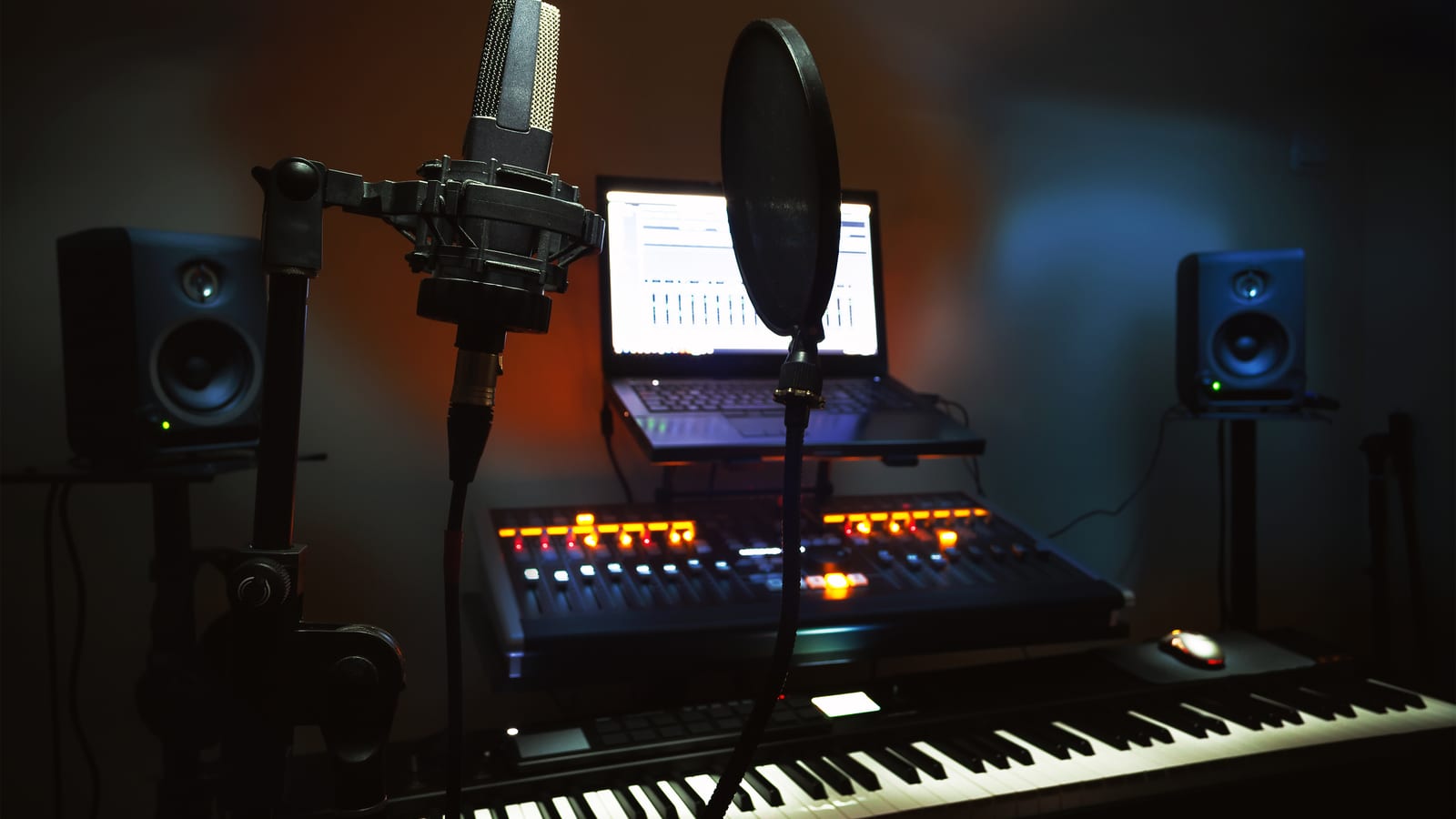
Image: Dejan Krsmanovic, Wikimedia Commons, CC BY 2.0.
What Deepgram announced
The newest changelog item is UpdateListen, announced on June 15, 2026. It lets a live voice session adjust Listen configuration during a conversation without restarting the session. The tunable fields include end-of-turn thresholds, hard timeout, keyterms, and language hints.
For users, this points to a better live-note experience: meetings can adapt when the topic, vocabulary, or language mix changes instead of forcing a restart.
Deepgram also announced several STT improvements in May:
- Korean transcripts now have improved word spacing for
koandko-KR, which should make Korean notes easier to read and review. - Profanity filtering is now supported across multilingual Nova-2, Nova-3, and Flux models using
language=multi. - Nova-3 multilingual can format spoken numbers as digits for many supported languages, which is useful for budgets, dates, counts, and action items.
- Batch speaker diarization v2 is available through
diarize_model; Deepgram reported that v2 was preferred 3.3x over the prior production diarizer in side-by-side human evaluation, with the largest gains on contact-center audio.
One distinction matters when choosing a workflow: diarize_model is for batch requests, not streaming. Use it for uploaded recordings; it does not change speaker labeling during a live session.
What this means for Telli.sh users
The most immediate benefit is transcript quality. Korean users should see more readable raw transcripts as Deepgram's spacing fix reaches model-side output. Multilingual meetings should benefit from stronger number formatting and broader moderation controls.
The next layer is session control. UpdateListen is especially relevant to live AI notes because meetings are rarely static. A technical review may need boosted product terms. A bilingual call may need language hints. A fast conversation may need different turn timing. These controls let an application adjust live recognition without interrupting the recording.
For uploaded recordings, diarization v2 offers another option for speaker-aware notes. Deepgram reported that evaluators preferred it 3.3 times as often as the previous production diarizer in a side-by-side human evaluation, with the largest gains on contact-center audio; results on your own meeting recordings may differ.
Better STT still needs a product layer
Deepgram improves the transcript. Telli.sh turns the transcript into a workflow: live recording state, source language selection, reviewable text, AI refinement, summaries, decisions, action items, and reusable meeting records.
The practical goal is fewer corrections, clearer notes, and less work after a meeting. Better recognition is most useful when it carries through to a record people can review and reuse.
